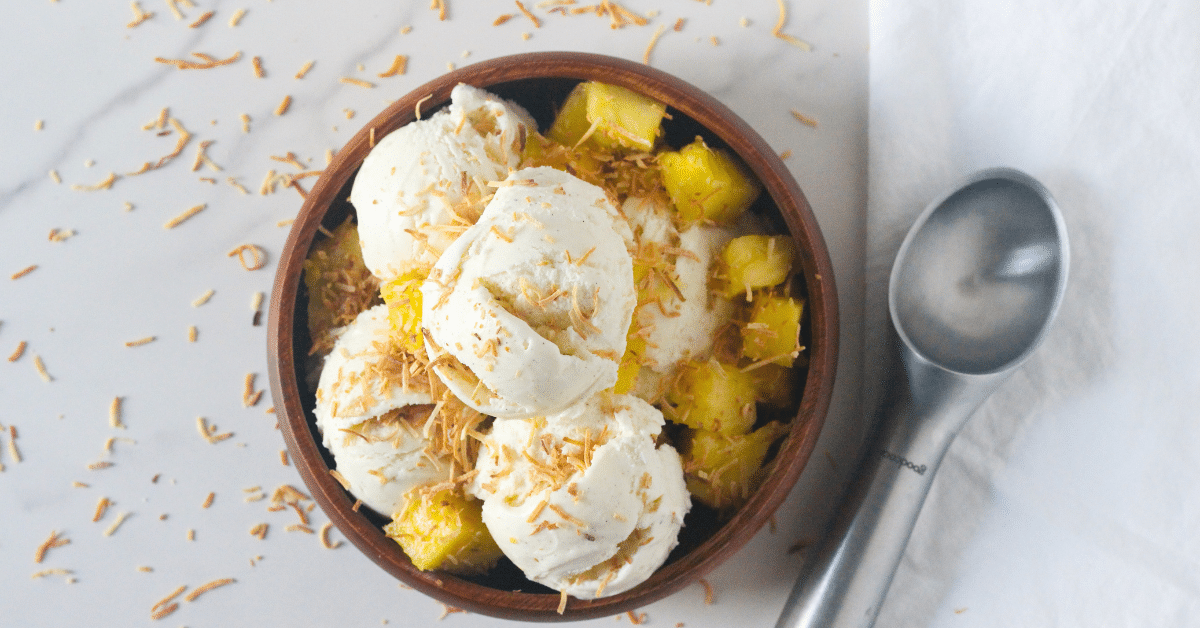
Unlocking the Ultimate Tropical Indulgence: Secrets to Perfect Toasted Coconut Piña Colada Ice Cream
Imagine a scoop of ice cream that transports you directly to a sun-drenched beach, the gentle lapping of waves in your ears, and the scent of exotic fruits in the air. That’s precisely the magic of toasted coconut piña colada ice cream. More than just a dessert, it's an experience – a symphony of creamy, sweet, tangy, and nutty flavors that dance on your palate. This isn't merely a frozen treat; it's a meticulously crafted culinary delight that combines the refreshing zest of a classic piña colada with the irresistible depth of toasted coconut, all encased in a velvety smooth ice cream base.
For many, the piña colada evokes memories of vacations and pure relaxation. Translating that vibrant cocktail into a truly exceptional ice cream, especially with the added dimension of toasted coconut, requires understanding the nuances of each ingredient and mastering specific techniques. It's about balancing sweetness with acidity, ensuring a smooth texture, and amplifying the natural aromas of coconut and pineapple. This article delves into the secrets behind achieving that perfect scoop, revealing how to transform simple ingredients into an extraordinary dessert that will captivate anyone lucky enough to try it.
The Foundation of Flavor: What Makes Toasted Coconut Piña Colada Ice Cream So Special?
At its heart, toasted coconut piña colada ice cream is a masterful blend of contrasting yet complementary elements. The allure lies in how these distinct flavors and textures harmoniously come together. Let's break down what makes this tropical indulgence truly stand out:
- Creamy Ice Cream Base: The canvas for our tropical masterpiece. A rich, smooth, and full-bodied ice cream base is paramount. Whether it's a custard-style base made with egg yolks or a simpler no-churn variety, its creaminess provides the perfect counterpoint to the more assertive flavors. The fat content, often from heavy cream and coconut cream, is crucial for that luxurious mouthfeel.
- Tangy Pineapple: The vibrant soul of the piña colada. Fresh, ripe pineapple offers a burst of sweet-tart flavor that cuts through the richness of the cream. Its natural enzymes and juiciness contribute a refreshing zing that prevents the ice cream from being overly cloying. Proper preparation, whether puréed or finely diced, ensures its essence is infused throughout.
- Rich Coconut Essence: Beyond the toast, the unadulterated flavor of coconut is essential. This typically comes from coconut milk or, preferably, coconut cream, which adds a profound depth and contributes to the ice cream's overall creaminess and tropical character. It’s the underlying note that ties the entire dessert together.
- The Game-Changing Toasted Coconut: This is where the magic truly happens. Toasting coconut flakes intensifies their nutty flavor, adds a delightful caramelization, and introduces a subtle crunch that elevates the texture profile. It transforms a simple coconut flavor into something complex, aromatic, and utterly irresistible. This textural contrast against the creamy ice cream is what makes toasted coconut piña colada ice cream a gourmet experience.
The combination creates a multi-layered sensory experience: the immediate refreshment of pineapple, the comforting richness of coconut, the delightful crunch and depth from toasted coconut, all enveloped in a cool, creamy embrace. It's a taste of paradise in every bite.
Mastering the Toasted Coconut: A Game-Changer for Flavor and Texture
While pineapple and coconut form the core of any piña colada, it’s the addition of toasted coconut that truly elevates this particular ice cream from delicious to divine. It's not just a garnish; it's a vital component that adds depth, aroma, and a textural counterpoint that is simply essential for the ultimate toasted coconut piña colada ice cream.
Why Toasting Matters: Unlocking Hidden Depths
Toasting coconut flakes isn't just an extra step; it's a transformation. The heat causes the natural sugars in the coconut to caramelize through the Maillard reaction, developing complex, nutty, and slightly smoky notes that aren't present in untoasted coconut. This process intensifies the coconut flavor, making it richer and more aromatic. Moreover, toasting removes moisture, resulting in a crispier texture that provides a welcome textural contrast against the smooth ice cream base. This depth of flavor and satisfying crunch is what makes your toasted coconut piña colada ice cream truly unforgettable.
Techniques for Perfect Toasting
Achieving perfectly golden-brown, aromatic toasted coconut requires a little patience and attention. Here are the most effective methods:
- Oven Method (Recommended for larger batches):
- Preheat your oven to 300°F (150°C).
- Spread an even layer of unsweetened shredded or flaked coconut on a baking sheet.
- Bake for 5-10 minutes, stirring every 2-3 minutes to ensure even browning. Keep a close eye on it, as coconut can go from perfectly golden to burnt very quickly.
- Remove from the oven immediately once golden and transfer to a plate to cool completely. Cooling on the baking sheet can lead to over-toasting.
- Stovetop Method (Good for smaller quantities):
- Heat a dry skillet over medium-low heat.
- Add coconut flakes in a single layer.
- Toast, stirring constantly, for 3-5 minutes until golden brown. This method requires more vigilance as the heat is direct.
- Remove from the pan and cool completely on a plate.
Pro Tip: Always start with unsweetened coconut to control the final sweetness of your ice cream. Once toasted and completely cooled, the coconut can be gently folded into the churned ice cream just before freezing, or sprinkled on top as a garnish for extra crunch. For a straightforward guide on preparing this delightful dessert, check out our Easy Toasted Coconut Piña Colada Ice Cream Recipe.
Crafting the Perfect Piña Colada Base for Your Ice Cream
The piña colada component is equally crucial in defining the tropical character of your toasted coconut piña colada ice cream. Getting the balance right between the pineapple's acidity, the coconut's richness, and optional enhancements ensures a vibrant and authentic flavor profile.
Selecting the Right Pineapple
The choice of pineapple significantly impacts the final taste. While canned pineapple is convenient, fresh, ripe pineapple offers superior flavor and aroma. Look for pineapples that are heavy for their size, have a sweet fragrance at the base, and leaves that pull out easily. Whether using fresh or canned:
- Fresh Pineapple: Peel, core, and chop, then purée until smooth. For a chunkier ice cream, reserve some finely diced pieces to fold in at the end.
- Canned Pineapple: Opt for pineapple packed in its own juice, not heavy syrup, to avoid excessive sweetness and artificial flavors. Drain well before puréeing.
A little bit of natural pineapple acidity is vital to cut through the richness of the ice cream base, creating a refreshing contrast that makes the dessert truly addictive.
The Coconut Element Beyond Toasting
Beyond the delightful crunch of toasted coconut, the foundational coconut flavor comes from coconut milk or coconut cream. For the creamiest, most luxurious toasted coconut piña colada ice cream, full-fat coconut cream is often preferred. Its high-fat content contributes significantly to a smooth, rich texture and a deeper coconut essence. If using coconut milk, ensure it's full-fat and refrigerate it overnight; this allows the thick coconut cream to separate and rise to the top, which you can then scoop out and use for a richer base.
Optional Enhancements for Authentic Flavor
To truly capture the essence of a piña colada, consider these additions:
- A Splash of Rum: A small amount of white or dark rum (or rum extract for an alcohol-free version) can greatly enhance the authentic piña colada flavor. Alcohol also helps to lower the freezing point, contributing to a softer, more scoopable ice cream texture. About 1-2 tablespoons per batch is usually sufficient to infuse flavor without overpowering the dessert or making it too boozy.
- Lime Zest: A tiny bit of fresh lime zest can brighten all the flavors, adding a subtle citrusy top note that complements both the pineapple and coconut beautifully without making the ice cream taste like lime.
Careful blending of these components will result in a piña colada base that is vibrant, complex, and perfectly poised to be transformed into exquisite ice cream. If you're eager to dive deeper into the full experience, explore Tropical Bliss: Toasted Coconut Piña Colada Ice Cream.
Tips for Achieving Ultimate Creaminess and Texture
The hallmark of an exceptional ice cream, especially one as rich in flavor as toasted coconut piña colada ice cream, is its texture. Achieving that perfectly smooth, scoopable, and crystal-free consistency requires attention to detail at every stage of the process.
The Ice Cream Base: Foundation of Silkiness
- Custard vs. No-Churn: While no-churn ice creams are simpler, a cooked custard base (made with egg yolks) generally yields the creamiest results. Egg yolks act as an emulsifier, creating a smoother texture and preventing ice crystal formation. If opting for no-churn, ensure your sweetened condensed milk is thoroughly chilled, and whip your heavy cream to stiff peaks for maximum aeration.
- Proper Chilling is Key: Before churning, the ice cream base must be thoroughly chilled – ideally for at least 4-8 hours, or even overnight. A colder base churns faster and incorporates less air, leading to a denser, creamier texture and fewer ice crystals.
- Fat Content Matters: Don't skimp on full-fat dairy (heavy cream) and coconut cream. Fat contributes significantly to the richness, mouthfeel, and overall creaminess, making your toasted coconut piña colada ice cream truly decadent.
Churning Wisdom for Perfection
- Don't Overfill: Adhere to your ice cream maker's capacity guidelines. Overfilling can lead to inefficient churning and a less creamy result.
- Churn to the Right Consistency: Churn until the mixture resembles soft-serve ice cream. It should be thick and mostly firm, but still somewhat pliable. Over-churning can lead to a grainy texture, while under-churning won't incorporate enough air and will result in a harder, icier final product.
- Timing Mix-ins: Fold in your toasted coconut and any optional pineapple chunks during the last few minutes of churning, or immediately after churning, to ensure even distribution without damaging the ice cream maker or the ingredients themselves.
The Freeze: Preventing Ice Crystals and Ensuring Scoopability
- Rapid Freezing: Transfer the freshly churned ice cream to a chilled, airtight container immediately. Place it in the coldest part of your freezer. Rapid freezing helps prevent large ice crystals from forming.
- Airtight Storage: Press a piece of parchment paper or plastic wrap directly onto the surface of the ice cream before sealing the container. This creates a barrier against air, which is the enemy of creamy ice cream, causing freezer burn and ice crystals.
- Tempering Before Serving: For the best texture, remove your toasted coconut piña colada ice cream from the freezer 5-15 minutes before serving to allow it to soften slightly. This "tempering" process brings out the full range of flavors and ensures perfect scoopability.
Conclusion
Creating the perfect scoop of toasted coconut piña colada ice cream is a delightful journey that combines art and science. From mastering the delicate art of toasting coconut to selecting the finest pineapple and understanding the nuances of an impeccably smooth base, each step contributes to an unparalleled tropical dessert. By paying attention to the details – from ingredients to chilling and churning techniques – you unlock an ice cream experience that is rich, refreshing, creamy, and wonderfully complex. So, gather your ingredients, follow these secrets, and prepare to indulge in a homemade treat that truly brings the essence of a sun-soaked paradise right to your spoon. Enjoy the bliss!
